
Buying and Selling High-Quality Tools Through Auctions
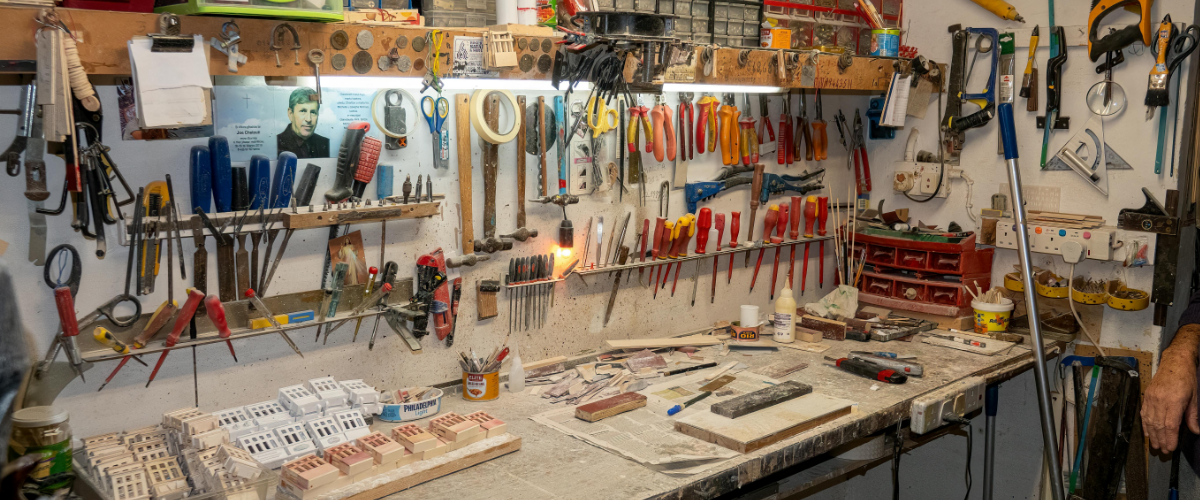
Most businesses don’t have a tool problem; they have a tool lifecycle problem.
They overpay when buying, underutilize what they own, and wait too long to sell. The result? Capital gets locked into tools that aren’t actively contributing to output.
Online auctions change that. They give you a structured way to acquire high-quality tools at market-driven prices and sell unused tools quickly to recover value without the delays and inefficiencies of traditional methods.
Why Auctions Work Better for Tools Specifically
Tools behave differently from large equipment.
- They move faster
- They’re easier to store (which leads to over-accumulation)
- Their value drops quietly over time
- Demand varies based on brand, condition, and use case
That makes timing and pricing critical.
Auctions introduce:
- Real-time demand signals
- Faster turnover cycles
- Clear pricing visibility
Instead of guessing a value, you let the market define it.
Buying High-Quality Tools Through Auctions (Without Overpaying)
Buying tools at auction isn’t just about finding lower prices; it’s about buying smarter.
What You’ll Typically Find
- Professional-grade power tools
- Trade and construction tools
- Workshop and fabrication tools
- Automotive and repair equipment
- Surplus inventory from upgrades or closures
Many of these tools come from businesses that maintained them for operational use, not resale, so quality can be strong.
How to Evaluate Tool Quality Before You Bid
This is where most buyers make mistakes. You’re not just buying a tool, you’re buying remaining utility.
Look for These Signals:
1. Physical Condition
- Visible wear vs structural damage
- Signs of overuse or neglect
2. Brand and Build Quality
- Established brands often hold value longer
- Build materials and durability matter
3. Usage Context
- Light shop use vs heavy industrial use
- Frequency of prior use (if available)
4. Listing Detail Quality
- Clear photos
- Accurate descriptions
- Complete specifications
Better data reduces risk.
How to Avoid Overpaying in Auctions
Auctions create competition that’s an advantage, but also a risk.
Stay Disciplined:
- Set a maximum bid before you start
- Factor in logistics and handling costs
- Don’t chase bids emotionally
- Focus on value, not winning
The goal isn’t to win the auction, it’s to make a smart acquisition.
Selling High-Quality Tools Through Auctions (And Getting Strong Value)
Unused tools aren’t harmless; they represent idle capital.
Auctions give you a structured way to convert that into cash without managing multiple listings or negotiations.
How to Maximize Value When Selling Tools
Small improvements can significantly impact results.
1. Present Tools Properly
- Clean and organize items
- Group related tools logically
- Ensure accurate descriptions
2. Decide: Bundle or Individual Sale
- High-value tools → sell individually
- Lower-value or bulk items → bundle strategically
- The right structure increases buyer interest.
3. Provide Complete Information
- Specifications
- Condition details
- Quantity and variations
More clarity = more confident bidding.
4. Time the Sale Strategically
Selling before tools become outdated or heavily worn helps maintain a stronger demand.
How Selling Through Auctions Works (Quick Breakdown)
The process is structured and predictable:
- Submit tool details
- Tools are evaluated and listed
- Auction goes live to targeted buyers
- Competitive bidding establishes value
- Payment and pickup are coordinated
Most of the process is handled through a structured system, with minimal involvement required from you.
What to Expect (Buying and Selling)
Speed
Auctions typically move faster than private sales, often completing within defined timelines depending on demand.
Pricing
Outcomes are market-driven.
- Buyers may secure competitive pricing
- Sellers may benefit from bidding activity
Transparency
You can track:
- Bid activity
- Pricing movement
- Outcomes
This removes uncertainty on both sides.
Common Mistakes to Avoid
For Buyers:
- Ignoring condition details
- Overbidding under pressure
- Skipping logistics planning
For Sellers:
- Holding tools too long
- Listing without proper details
- Expecting fixed pricing
Auctions reward preparation, not assumptions.
Turning Tools Into a Strategic Advantage
Tools should support performance, not quietly drain capital.
When you actively manage buying and selling through auctions, you:
- Reduce unnecessary spending
- Improve tool utilization
- Recover value faster
- Keep capital moving
That’s how disciplined operators stay efficient.
See the Bigger Strategy Behind This
Buying and selling tools is just one part of a broader asset strategy.
If you want to understand how auctions help businesses scale, streamline operations, and improve financial flexibility, explore this:
Smart Moves: Using Online Auctions to Scale or Streamline Your Business Operations
Final Takeaway
High-quality tools are valuable but only when they’re actively used or strategically sold.
Online auctions provide a clear, structured way to buy smarter, sell faster, and maintain control over your assets.
The advantage isn’t just access, it’s how efficiently you use it.
Upcoming Auctions
- Sep 16 @ 7:00pm CDT
- Sep 27 @ 3:00pm CDT
- Sep 18 @ 6:00pm CDT
- Sep 28 @ 1:00pm CDT
- Sep 22 @ 6:00pm CDT
- Sep 30 @ 1:00pm CDT

- Sep 18 @ 10:00am CDT
- Oct 5 @ 1:00pm CDT
- Sep 30 @ 6:00pm CDT
- Oct 6 @ 1:00pm CDT

- Sep 21 @ 4:00pm CDT
- Oct 7 @ 1:00pm CDT
- Oct 2 @ 6:00pm CDT
- Oct 12 @ 1:00pm CDT