
Selling Equipment Through Auctions

Many businesses don’t struggle to sell equipment; they struggle to do it efficiently, predictably, and without wasting time.
Idle assets tie up capital, take up space, and slowly lose value. The longer they sit, the more they cost you, not just in depreciation, but in missed opportunities.
Online auctions solve that problem by giving you a structured, time-bound, and market-driven way to sell equipment without the delays and uncertainty of traditional methods.
If you're looking to move equipment quickly and get real market value, here’s exactly how it works and what you should expect.
How Selling Equipment Through Auctions Works (Step-by-Step)
This is where most content falls short, so let’s make it practical.
Step 1: Submit Your Equipment
You start by sharing basic details:
- Equipment type, condition, and specs
- Location
- Photos (if available)
This allows the auction provider to evaluate whether your assets are a good fit.
Step 2: Evaluation & Listing Preparation
The auction team:
- Assesses market demand
- Organizes inventory
- Creates professional listings
- Captures high-quality images
This step directly impacts how much attention and bidding your equipment gets.
Step 3: Auction Goes Live
Your equipment is listed and marketed to a targeted network of buyers.
- National exposure
- Industry-specific demand
- Defined auction timeline
Instead of waiting for buyers, buyers compete for your assets.
Step 4: Competitive Bidding
Interested buyers place bids in real time.
- Pricing is driven by demand
- No back-and-forth negotiation
- Transparent activity
This is where market value is established based on real-time buyer demand.
Step 5: Payment & Pickup
Once the auction closes:
- Winning bidders complete payment
- Logistics and pickup are coordinated
- Funds are processed to you
The process is structured and coordinated, reducing the complexity typically involved in private sales.
What You Should Realistically Expect
Let’s cut through the noise. Here’s what actually happens in auctions.
Timeline
Many auctions move from listing to completion within a few weeks, depending on the equipment and market demand.
Pricing
Prices are market-driven, not fixed.
- Some assets outperform expectations
- Others reflect current demand conditions
The key advantage: you get real, market-driven value based on current demand, not guesswork.
Fees
Auction services typically include:
- Marketing
- Listing
- Buyer management
- Transaction handling
Costs vary, but they’re tied to execution, not uncertainty.
Seller Involvement
You’re not chasing buyers or negotiating deals.
Your role is minimal:
- Provide accurate details
- Ensure asset access for pickup
Most of the process is handled through a structured system, with minimal involvement required from the seller.
Why Auctions Outperform Traditional Selling Methods
Selling equipment privately sounds simple, but in reality, it creates friction:
- Listings sit inactive
- Buyers negotiate aggressively
- Deals fall through
- Time gets wasted
Auctions are designed to reduce these issues by introducing structure and competition.
What Changes:
From: Waiting for interest
To: Creating demand
From: Negotiating price
To: Letting the market decide
From: Open-ended timelines
To: Fixed execution windows
This shift is what drives faster, more reliable outcomes.
What Types of Equipment Perform Best in Auctions?
If your equipment has operational value, there’s demand.
Common high-performing categories include:
- Construction and heavy machinery
- Manufacturing and production equipment
- Fleet vehicles and transport assets
- Warehouse and logistics systems
- Restaurant and retail equipment
- Office and IT infrastructure
The broader the demand, the stronger the bidding activity.
Common Questions Sellers Ask
What if my equipment doesn’t sell?
If assets don’t meet expectations or attract sufficient demand, next-step options are typically provided.
Can I control pricing?
Yes, options like reserve pricing may be available depending on the auction structure.
Who handles shipping and logistics?
Pickup and logistics are often coordinated as part of the process, helping reduce seller workload.
How do I get paid?
Payments are processed securely after auction completion and transferred to you.
When Should You Sell Equipment?
The best time to sell isn’t when equipment becomes unusable—it’s when it still holds value.
Smart businesses sell when:
- Upgrading to newer assets
- Reducing excess capacity
- Relocating or consolidating
- Changing operational focus
The goal is to unlock capital before value declines further.
Turning Equipment Into Strategic Advantage
Selling equipment isn’t just about clearing space—it’s about creating financial flexibility.
When you convert assets into cash, you can:
- Reinvest in higher-return opportunities
- Improve cash flow
- Reduce operational drag
- Move faster when opportunities arise
That’s the real outcome—better control over your business decisions.
Want the Bigger Strategy Behind This?
Selling is just one side of the equation.
If you want to understand how auctions fit into a broader strategy—buying smarter, scaling efficiently, and optimizing assets across your business—read this: Smart Moves: Using Online Auctions to Scale or Streamline Your Business Operations
Final Takeaway
Idle equipment costs more than you think.
Online auctions provide a clear, structured, and efficient way to convert assets into capital without delays, guesswork, or operational friction.
If you’re holding equipment you’re not using, the real question isn’t if you should sell.
It’s how long you’re willing to let that capital sit still.
Upcoming Auctions

- Sep 16 @ 7:00pm CDT
- Sep 27 @ 3:00pm CDT
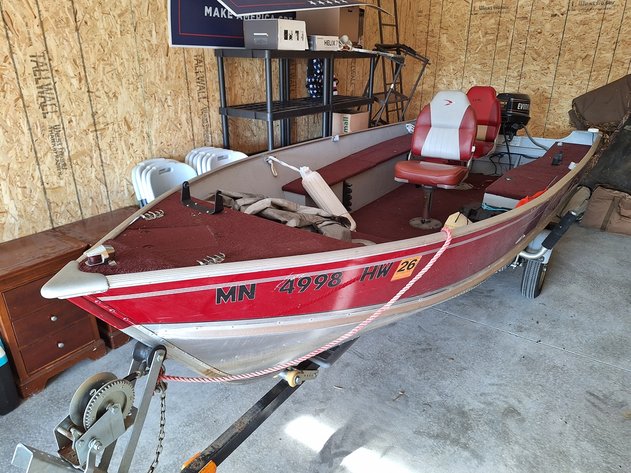
- Sep 18 @ 6:00pm CDT
- Sep 28 @ 1:00pm CDT
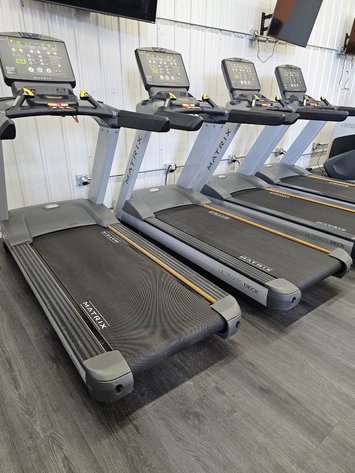
- Sep 22 @ 6:00pm CDT
- Sep 30 @ 1:00pm CDT

- Sep 18 @ 10:00am CDT
- Oct 5 @ 1:00pm CDT
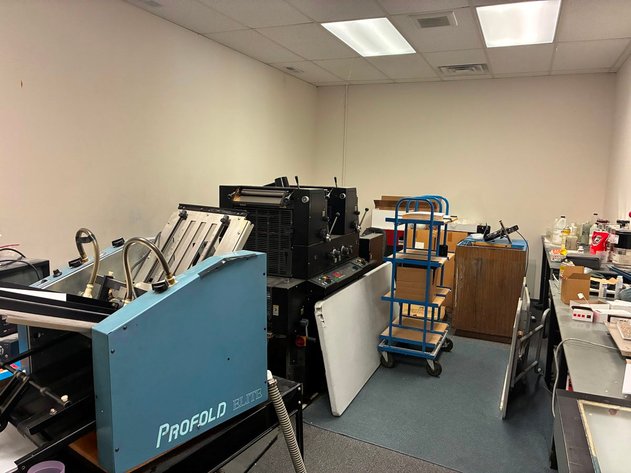
- Sep 30 @ 6:00pm CDT
- Oct 6 @ 1:00pm CDT
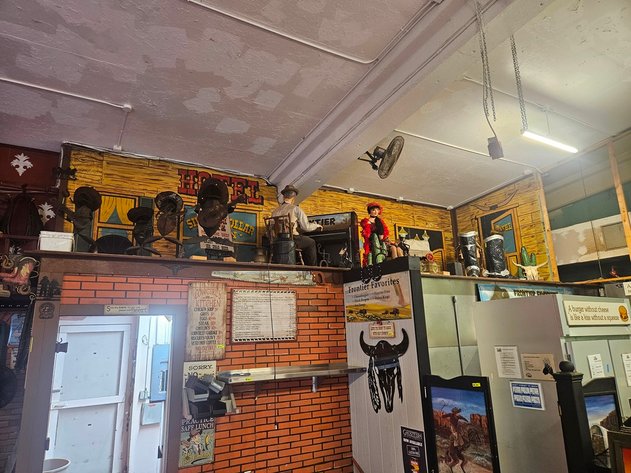
- Sep 21 @ 4:00pm CDT
- Oct 7 @ 1:00pm CDT
- Oct 2 @ 6:00pm CDT
- Oct 12 @ 1:00pm CDT