
How Cabinet Makers Can Buy and Sell Tools Through Auctions
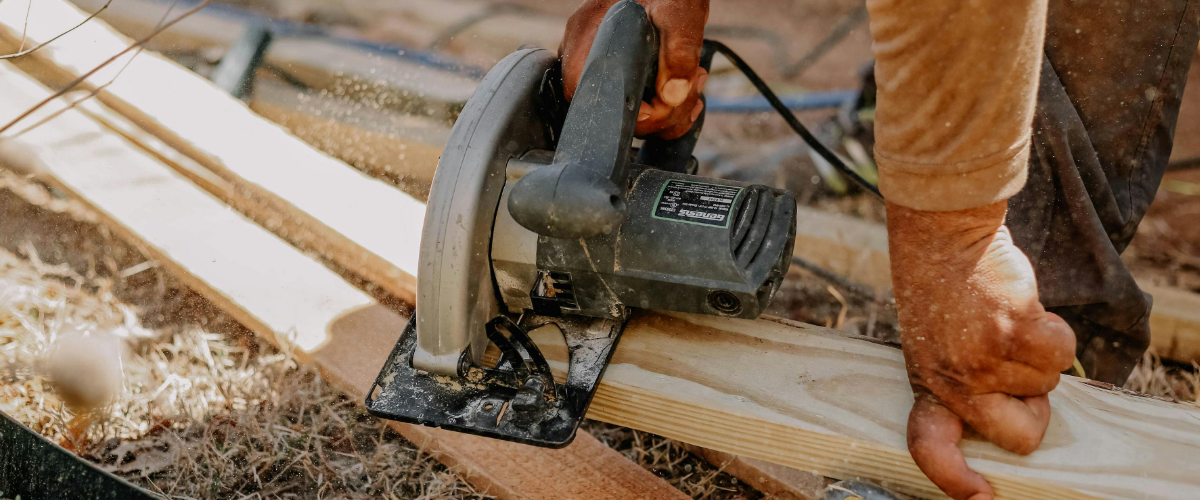
Cabinet makers can buy and sell tools through auctions by reducing upfront costs, avoiding slow private sales, and using competitive bidding to achieve market-driven pricing.
Most cabinet shops don’t struggle because of poor craftsmanship.
They struggle because capital gets stuck in the wrong places.
Tools are bought, used, and then quietly held onto even when they’re no longer contributing to production. Over time, that creates a chain reaction: cash gets tied up, space becomes limited, and new investments get delayed.
That’s where the model starts breaking. And it’s exactly where auctions begin to make sense.
The Cost of Holding Tools Too Long
Keeping equipment feels safe. Selling it feels like a hassle.
But what looks like stability is usually a slow loss.
Machines depreciate, newer models take over demand, and buyers become more selective. At the same time, you’re not recovering capital or creating room for better-performing tools.
The impact isn’t immediate, but it compounds.
How Auctions Shift Control Back to You
Traditional buying and selling is unpredictable by design. You list a tool, wait for interest, and negotiate with whoever shows up. When buying, you compare options and try to guess whether the price reflects real value.
Auctions remove that guesswork.
Instead of relying on one buyer or one seller, you’re operating in a structured environment where multiple participants drive pricing. Timelines are fixed, demand is visible, and decisions happen faster.
That shift from passive to structured is what changes outcomes.
How the Auction Process Works (From Start to Finish)
Buying and selling through auctions follows a structured flow. Once you understand it, the process becomes predictable.
For sellers:
- Submit details of your tools and machinery
- Equipment is evaluated, photographed, and listed
- Auction goes live to a targeted buyer network
- Bidders compete within a defined timeframe
- Payment and pickup are coordinated
For buyers:
- Browse available tools and upcoming auctions
- Review condition, specs, and photos
- Set a maximum bid based on your budget
- Participate in bidding or place proxy bids
- Complete payment and arrange pickup
The structure removes guesswork and replaces it with a managed system where pricing, timelines, and buyer activity are controlled instead of left to chance.
Buying Tools Without Overpaying
Buying through auctions isn’t about chasing deals. It’s about accessing tools at their true market value.
In regions like Minneapolis and Saint Paul, auctions regularly feature equipment from shops that are upgrading, relocating, or restructuring. That means you’re often looking at tools that were actively used in production, not sitting unused for resale.
The advantage is clarity. You can see what the market is willing to pay in real time.
What separates a smart buyer from an average one comes down to discipline:
- Set a maximum bid before you start
- Focus on condition and usability, not just price
- Account for transport and setup costs
- Winning the auction isn’t the goal. Getting long-term value is.
Selling Tools Before Value Slips
Most selling decisions happen too late.
Tools sit in the background until space becomes tight or cash flow gets strained. By then, urgency takes over, and urgency almost always leads to lower returns.
Auctions flip that dynamic.
Instead of negotiating with individual buyers, you’re creating a competitive environment where multiple bidders engage at the same time. Pricing moves upward naturally, timelines eliminate delays, and the entire process becomes more predictable.
This is where structured platforms like Auction Masters make a difference. They bring qualified buyers into one place and manage the process so you’re not juggling listings, inquiries, and negotiations yourself.
Why Auctions Outperform Traditional Methods
Listings and private sales aren’t broken, but they’re limited.
Listings give you visibility, but not urgency.
Private sales give you control, but require time and negotiation.
Auctions combine the advantages of both while removing the friction.
You get:
- Competitive pressure that drives pricing
- Defined timelines that prevent delays
- A broader pool of serious buyers
That’s what creates better outcomes, not just faster ones.
Running a Shop That Doesn’t Carry Dead Weight
Every tool in your shop should justify its place.
If it’s actively contributing to production, it stays.
If it’s not, it should be moving out.
The shops that operate efficiently don’t accumulate tools; they cycle them. They buy when the value is right and sell when demand is still strong.
That approach keeps:
- Cash flow flexible
- Space optimized
- Operations adaptable
Anything in between becomes a drag on performance.
Connecting the Full Strategy
If you want a more detailed breakdown of how to price tools, choose selling methods, and structure listings effectively, this guide covers the full system:
Selling Cabinet Makers' Tools and Machinery Online: A Complete Guide
It expands on how to approach both buying and selling with a clear, repeatable strategy.
Final Takeaway
Buying and selling tools isn’t just part of running a cabinet shop; it’s part of managing capital.
When decisions are unstructured, you overpay when buying and lose value when selling. When the process is structured through competitive environments like those managed by Auction Masters, you gain control over both sides.
The goal isn’t just to own tools.
It’s to move them at the right time, at the right value.
Upcoming Auctions
- Sep 16 @ 7:00pm CDT
- Sep 27 @ 3:00pm CDT
- Sep 18 @ 6:00pm CDT
- Sep 28 @ 1:00pm CDT
- Sep 22 @ 6:00pm CDT
- Sep 30 @ 1:00pm CDT

- Sep 18 @ 10:00am CDT
- Oct 5 @ 1:00pm CDT
- Sep 30 @ 6:00pm CDT
- Oct 6 @ 1:00pm CDT
- Sep 21 @ 4:00pm CDT
- Oct 7 @ 1:00pm CDT
- Oct 2 @ 6:00pm CDT
- Oct 12 @ 1:00pm CDT