
When to Sell Cabinet Shop Tools: Timing Auctions for Maximum ROI
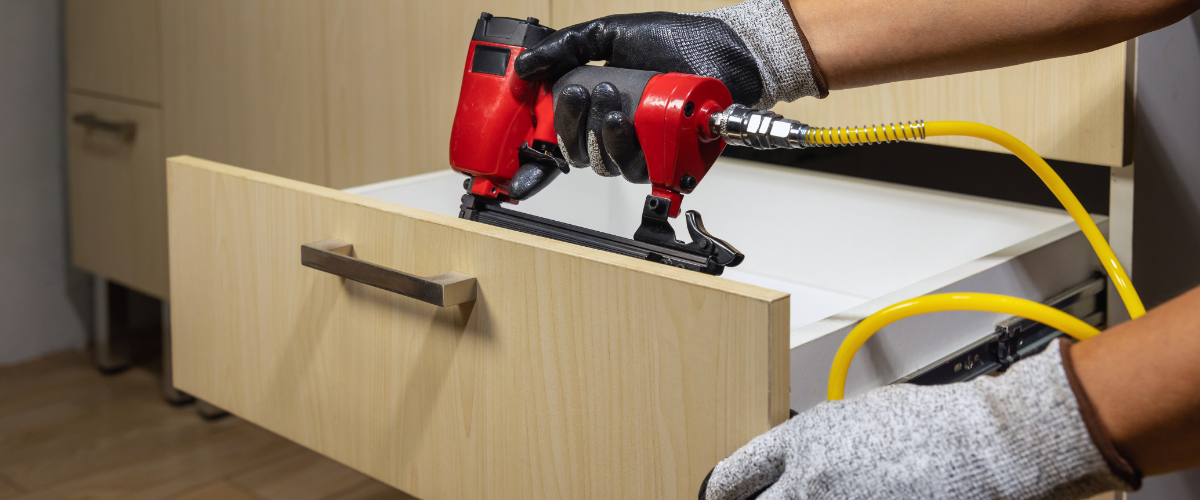
Cabinet makers maximize ROI by selling tools before demand drops, using auctions to create buyer competition, and timing sales around upgrades, transitions, or peak market activity.
Most cabinet shops don’t lose money because they bought the wrong tools.
They lose money because they sell them at the wrong time.
Tools don’t suddenly become worthless.
They lose value gradually while sitting in your shop.
That’s the part most operators underestimate.
The Real Cost of Waiting Too Long
Holding onto equipment feels harmless. You might use it again. It might come in handy.
But while it sits:
- Market demand shifts toward newer models
- Wear and tear reduces perceived value
- Buyers become more selective
At the same time, you’re not just losing resale value, you’re delaying access to capital that could be reinvested into better-performing tools or expanded production.
The loss isn’t one big drop.
It’s a steady decline.
The Right Time to Sell Isn’t When You’re Forced To
Most sales happen reactively:
- Space runs out
- Cash flow tightens
- Equipment becomes obsolete
By that point, your leverage is gone.
The strongest outcomes happen when you sell before pressure builds.
That usually means:
- While the equipment is still in strong working condition
- When there’s active demand in the market
- Before newer models shift buyer attention
Timing isn’t about urgency; it’s about control.
How Auctions Change Timing Strategy
Selling at the right time is only half the equation.
The other half is how you bring the tool to market.
Traditional selling depends on:
- Finding the right buyer
- Negotiating price
- Waiting for interest
That creates delays even if your timing is good.
Auctions remove that friction.
Instead of hoping for demand, you create it:
- Multiple buyers engage at the same time
- Competitive bidding pushes pricing upward
- Defined timelines eliminate waiting
This is why structured platforms like Auction Masters consistently deliver stronger results, as they align timing with a system that forces market activity.
Signals That It’s Time to Sell
You don’t need to guess. There are clear indicators.
1. The Tool Is Used Less Frequently
If a machine is no longer part of your daily or weekly workflow, it’s already moving toward idle status.
Idle tools:
- Take up space
- Tie up capital
- Add no production value
2. You’re Planning an Upgrade
This is one of the best times to sell.
Why?
- Demand still exists for your current equipment
- Buyers see it as usable, not outdated
- You can reinvest capital immediately
3. Market Demand Is Active
In regions like Minneapolis and Saint Paul, consistent activity from cabinet shops, contractors, and woodworking businesses keeps demand steady for used equipment.
Selling into active demand always produces better outcomes than waiting for it to return.
4. You’re Reorganizing Your Shop
Changes in workflow often reveal:
- Redundant machinery
- Underutilized tools
- Inefficient setups
That’s not just an operational shift; it’s a selling opportunity.
Why Early Selling Protects Your ROI
Waiting feels like you’re getting more use from the tool.
In reality, you’re often trading short-term convenience for long-term loss.
Selling earlier:
- Preserves equipment condition
- Attracts more serious buyers
- Maintains stronger pricing
The goal isn’t to maximize usage.
It’s to maximize total value recovered.
Timing + Structure = Maximum Return
Even perfect timing can underperform if the selling method is weak.
Listings and private sales:
- Depend on one buyer
- Lead to negotiation
- Create delays
Auctions:
- Bring multiple buyers together
- Create urgency through deadlines
- Let the market define value
That combination, right timing + competitive environment, is what drives maximum ROI.
Connecting Timing With Strategy
If you want a complete breakdown of how to price tools, prepare listings, and choose the right selling method, this guide expands on the full strategy:
Selling Cabinet Makers' Tools and Machinery Online: A Complete Guide
It connects timing with execution, so you’re not just selling at the right moment, you’re doing it the right way.
Final Takeaway
Selling cabinet shop tools isn’t about clearing space.
It’s about recovering value at the right time.
When you wait too long, you lose leverage.
When you act early and use structured auction environments like those managed by Auction Masters, you create the conditions for stronger pricing, faster sales, and better outcomes.
The difference isn’t the tool.
It’s when and how you sell it.
Upcoming Auctions
- Sep 16 @ 7:00pm CDT
- Sep 27 @ 3:00pm CDT

- Sep 18 @ 6:00pm CDT
- Sep 28 @ 1:00pm CDT

- Sep 22 @ 6:00pm CDT
- Sep 30 @ 1:00pm CDT

- Sep 18 @ 10:00am CDT
- Oct 5 @ 1:00pm CDT
- Sep 30 @ 6:00pm CDT
- Oct 6 @ 1:00pm CDT

- Sep 21 @ 4:00pm CDT
- Oct 7 @ 1:00pm CDT
- Oct 2 @ 6:00pm CDT
- Oct 12 @ 1:00pm CDT