How Small Businesses Can Discover Value in Their Unused Equipment
Most small business owners don’t think of their unused equipment as money.
It’s just “stuff” that built up over time. A machine from a past contract. Extra tools from a busy season. Backup units are kept just in case. Equipment that still works but doesn’t fit the way the business runs today.
It sits in corners, storage rooms, shelves, or out in the yard. It doesn’t feel urgent. It doesn’t feel important.
But taken together, those items often represent a surprising amount of tied-up cash.
The challenge is not just selling them. The real first step is recognizing that the value is there in the first place.
Why Unused Equipment Gets Overlooked So Easily
In a small business, daily work always comes first.
Customers need attention. Jobs need to be finished. Deadlines keep moving. There’s rarely time to stop and evaluate what’s sitting around.
So, equipment slowly becomes invisible.
You might see it every day, but you stop thinking about it:
- Tools from jobs that ended years ago
- Machines are replaced by newer models
- Spare units kept for emergencies
- Items stored with the idea that they might be needed again
Individually, none of it feels like a big deal. But over time, it adds up.
And the longer it sits, the more its value slowly slips away without anyone noticing.
The Moment When Owners Start Seeing It Differently
Most owners don’t think about unused equipment until something changes.
It could be:
- A plan to upgrade machinery
- A move to a new location
- A need to free up space
- A slow season that tightens cash flow
- A shift in services or direction
That’s usually when the realization hits.
All of a sudden, the extra tools, machines, and stored equipment start looking less like leftovers and more like opportunities.
What once felt like clutter starts to look like working capital waiting to be unlocked.
Why Guessing the Value Doesn’t Work
One of the biggest reasons equipment stays unused is uncertainty.
Owners ask themselves:
- Is it even worth anything?
- Would anyone want this?
- Is it too old to sell?
Without clear answers, it’s easier to leave things where they are.
Private selling makes that harder. Pricing feels like guesswork. Interest is slow. Offers come in low. The process drags on, and motivation fades.
Auctions change that by letting real buyers set the value.
Instead of trying to figure it out alone, the equipment is put in front of people who are already looking for it. That demand helps reveal what those items are actually worth in today’s market.
Small Items Can Add Up to Something Meaningful
A single tool might not seem like much. One older machine might not feel important.
But when you step back and look at everything together, the total can be significant.
For many small businesses, value is sitting in:
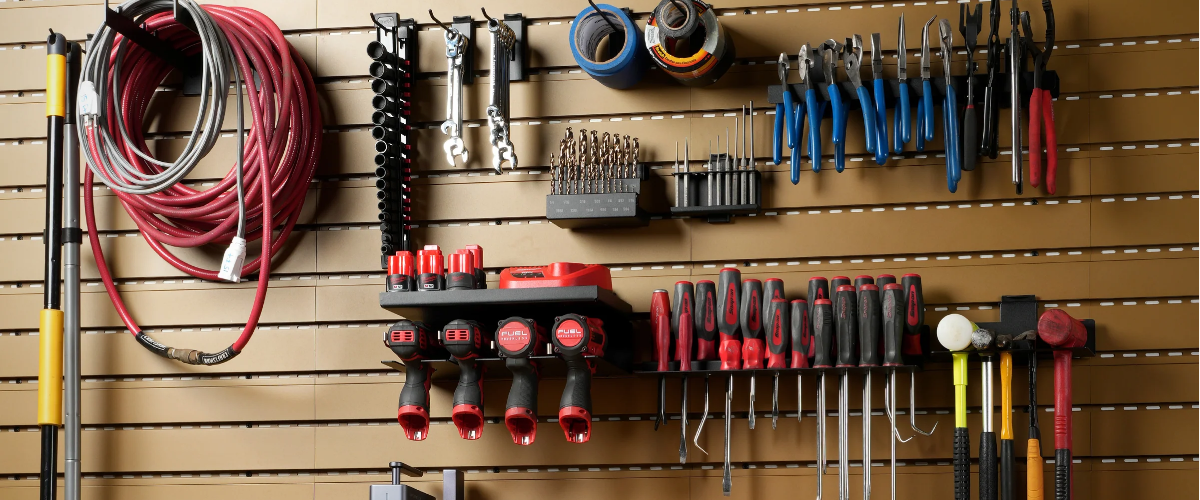
- Tool collections built over the years
- Spare parts and backup units
- Older machines are still in working condition
- Equipment from past services or projects
- Items stored after a location change
When grouped and sold in a structured way, these pieces often create returns that owners didn’t expect.
More importantly, they free up space and simplify operations at the same time.
Turning Awareness Into Action Without Adding Stress
Recognizing the value is one step. Acting on it is another.
Most small business owners don’t have the time to photograph, list, price, answer calls, and manage sales for dozens of items. That’s why equipment often stays where it is.
Auctions help remove that barrier.
Instead of handling everything one piece at a time, the process is organized, time-bound, and built to move multiple items at once. Buyers come looking for tools, machines, and shop-ready equipment, and the competition helps drive fair market value.
That allows owners to keep focusing on customers and daily work while unused equipment quietly turns back into usable cash.
More Than Just Cleaning Up Space
At first, selling unused equipment feels like clearing clutter.
But the real impact is financial.
Recovered value can help:
- Fund new equipment purchases
- Support hiring during growth periods
- Reduce financial pressure during slower months
- Pay down expenses
- Create breathing room for future decisions
For a small business, even a modest amount of recovered capital can make a meaningful difference.
And the added benefit is clarity. A cleaner shop, a more organized workspace, and fewer things to manage every day.
A Smarter Way to Look at What You Already Own
When businesses start seeing equipment as assets instead of leftovers, their mindset shifts.
Instead of holding onto things “just in case,” they start making more confident decisions. They rotate equipment more intentionally. They keep operations leaner. They stay flexible.
This way of thinking connects directly to the broader ideas explained in Smart Moves: Using Online Auctions to Scale or Streamline Your Business Operations, where auctions are not just about selling; they’re part of a bigger approach to managing assets, freeing up cash, and staying ready for what comes next.
The Value Was There All Along
Most small businesses don’t need to look far to find hidden financial opportunity.
It’s already there:
- In the back room
- On the shop floor
- In storage
- In the yard
- In the truck
Equipment that once helped build the business still holds value. It just needs the right moment and the right approach to bring that value forward again.
By recognizing what’s sitting unused and understanding how auctions reveal true demand, small businesses can turn overlooked assets into something useful — space, clarity, and working capital that supports the next step forward.
Upcoming Auctions
- Oct 1 @ 11:00am CDT
- Oct 12 @ 1:00pm CDT
- Oct 1 @ 5:00am CDT
- Oct 13 @ 1:00pm CDT
- Oct 8 @ 2:00pm CDT
- Oct 19 @ 1:00pm CDT
- Oct 14 @ 6:00pm CDT
- Oct 20 @ 10:00am CDT
- Oct 7 @ 10:00am CDT
- Oct 20 @ 1:00pm CDT
- Oct 9 @ 8:00am CDT
- Oct 20 @ 1:00pm CDT

- Oct 6 @ 12:00pm CDT
- Oct 20 @ 1:00pm CDT