
Selling Woodworking Machinery for Top Dollar
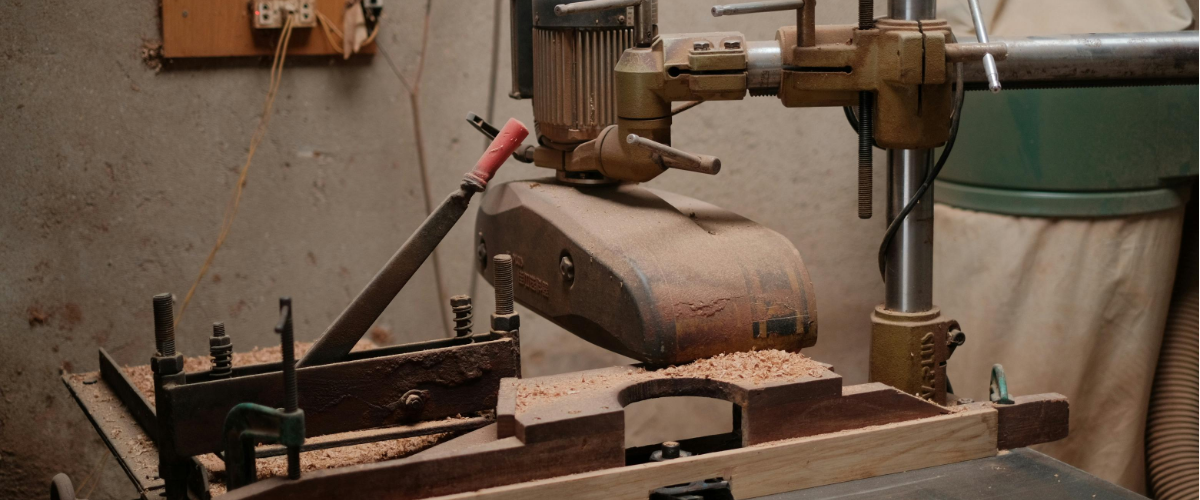
Selling woodworking machinery for top dollar comes down to three things: timing the sale correctly, creating buyer competition, and presenting equipment in a way that drives confidence and demand.
Most woodworking shops don’t lose money when they buy machinery.
They lose it when they sell.
Equipment gets used, upgraded, or replaced, but instead of being treated as a recoverable asset, it sits idle. Quietly depreciating, taking up space. Locking up capital that could be reinvested into better tools, materials, or growth.
That’s where structured selling approaches, such as those managed by Auction Masters, change the outcome by turning passive listings into competitive, time-bound sales.
Selling woodworking machinery for top dollar isn’t about luck. It’s about controlling how the sale happens.
Why Most Sellers Undervalue Their Equipment
The biggest mistake isn’t pricing too low; it’s misunderstanding what drives value.
What most sellers do:
- Guess a price based on listings
- Wait for inquiries
- Negotiate with unqualified buyers
What actually happens:
- The equipment sits longer than expected
- Buyers negotiate aggressively
- Final sale value drops below expectations
The issue isn’t demand. It’s how the sale is structured.
What Determines the True Value of Woodworking Machinery
Value isn’t static. It shifts based on a few key factors:
1. Market Demand
Certain machines consistently attract buyers:
- CNC routers
- Edge banders
- Sliding panel saws
- Dust collection systems
Demand is especially strong in active trade regions like Minneapolis and Saint Paul, where cabinet shops, contractors, and hobbyists are constantly upgrading equipment.
2. Condition and Usability
Buyers aren’t just purchasing a machine; they’re buying remaining production value.
They look for:
- Clean, well-maintained equipment
- Working condition with minimal repairs needed
- Complete setups (attachments, accessories)
3. Timing
Holding equipment too long reduces value.
- Older models lose relevance
- Wear increases
- Buyer demand shifts
Selling earlier often results in stronger returns.
Why Traditional Selling Methods Limit Your Price
Most sellers default to:
- Online listings
- Classified marketplaces
- Direct buyer outreach
These approaches rely on:
- Finding one buyer
- Negotiating price
- Waiting for interest
That creates a problem:
You’re negotiating from a weak position.
One buyer = one opinion on value.
How Auctions Drive Higher Selling Prices
Auctions flip the dynamic completely.
Instead of chasing buyers, you create an environment where buyers compete.
Here’s what changes:
- Multiple bidders push pricing upward
- Defined timelines create urgency
- Market demand determines value (not guesswork)
This is why auctions consistently outperform private sales for machinery.
You’re no longer asking:
“What price should I list this at?”
You’re letting the market answer it in real time.
How to Prepare Machinery to Maximize Value
Small improvements can significantly increase the final sale price.
1. Clean and Present Professionally
- Remove dust, debris, and residue
- Make the machine visually inspection-ready
First impressions influence bidding behavior.
2. Document Everything
Include:
- Brand and model
- Specifications
- Maintenance history (if available)
More information reduces buyer hesitation.
3. Use High-Quality Photos
- Multiple angles
- Close-ups of key components
- Clear condition visibility
Better listings attract more serious bidders.
4. Include Accessories and Tooling
Bundling:
- Blades
- Attachments
- Add-ons
This increases perceived value and buyer interest.
When It’s the Right Time to Sell
Top-performing sellers don’t wait until equipment becomes a problem.
They sell when:
- Upgrading to newer machinery
- Reorganizing shop workflow
- Eliminating underused equipment
- Freeing up capital for expansion
The earlier you act, the more value you retain.
Turning Machinery Into Growth Capital
Selling equipment isn’t just about clearing space.
It’s about unlocking capital you can reinvest into:
- Higher-efficiency machines
- Increased production capacity
- Better materials
- Business expansion
- Idle machinery doesn’t generate returns.
Liquid capital does.
A Smarter Way to Sell
If you want a deeper breakdown of selling strategies, pricing models, and platform options, this guide covers the full picture:
Selling Cabinet Makers' Tools and Machinery Online: A Complete Guide
It walks through where to sell, how to structure listings, and how to approach different types of equipment.
Final Takeaway
Woodworking machinery holds value but only if you capture it at the right time, in the right way.
Selling through traditional methods often limits your outcome.
Structured auction environments like those managed by Auction Masters create the conditions for stronger pricing, faster sales, and less effort.
The difference isn’t the machine.
It’s how you bring it to market.
Upcoming Auctions
- Oct 15 @ 4:00pm CDT
- Oct 26 @ 1:00pm CDT
- Oct 13 @ 12:00pm CDT
- Oct 26 @ 1:00pm CDT

- Oct 9 @ 2:00pm CDT
- Oct 26 @ 1:00pm CDT
- Oct 9 @ 9:00am CDT
- Oct 27 @ 10:00am CDT
- Oct 9 @ 10:00am CDT
- Oct 27 @ 1:00pm CDT
- Oct 23 @ 9:00am CDT
- Nov 2 @ 1:00pm CST
- Oct 13 @ 1:00pm CDT
- Nov 4 @ 1:00pm CST