
How Minnesota Businesses Use Online Auctions to Clear Excess Equipment
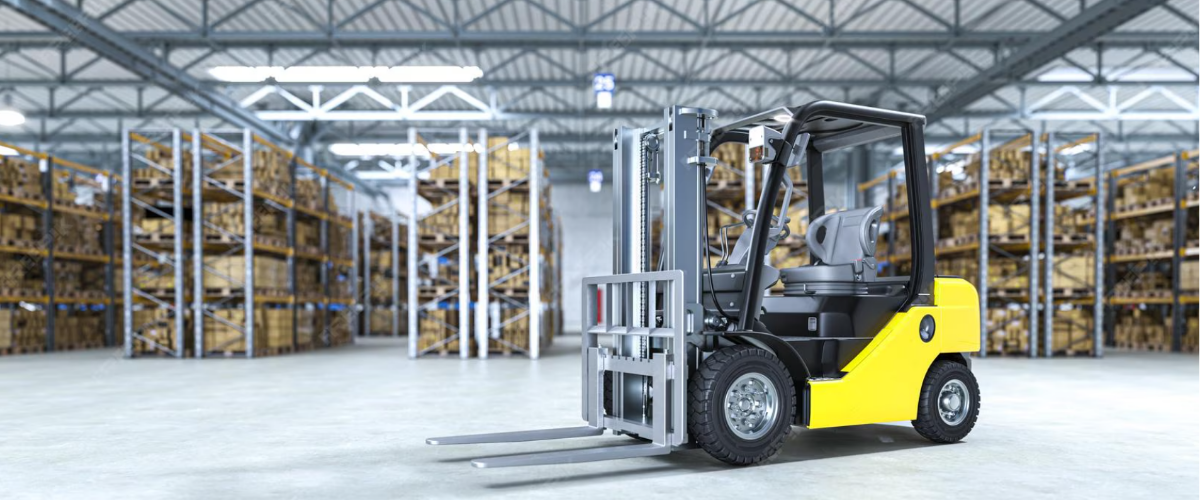
Running a business in Minnesota means wearing more hats than most job descriptions admit. There are clients to serve, crews to schedule, machines to keep running, and numbers to watch. Over time, even well‑loved equipment—forklifts, racks, presses, mixers, IT gear—ends up sidelined. It’s still useful, but not for your next chapter. It sits. It takes space. It holds cash that could be working elsewhere.
Here’s the overlooked upside: those assets still carry real value. Online auctions help you turn idle equipment into capital on a clear timeline, without months of haggling or dead‑end inquiries. With the right prep and a trusted local partner, you can convert storage into dollars and keep projects, payroll, and growth moving in the right direction.
Why Auctions Beat Piecemeal Selling
Listing items one by one sounds simple until the messages start: low offers, no-shows, tires kicked, time wasted. Online auctions flip that script. Buyers compete with each other instead of negotiating a lower price. Competition sets market value, often faster and more fairly than private sales. Add structured timelines and transparent terms, and you get a predictable close that doesn’t hijack your week.
Why Minnesota Companies Choose Auction Masters
Rooted in the Twin Cities and active statewide, Auction Masters brings qualified buyers to the table and handles the heavy lifting. You get:
Professional cataloging with brand, model, serial, specs, and clear photos
Search‑optimized listings and targeted outreach to regional and national buyers
Reserve options for high‑value items when appropriate
Straightforward terms, verified payments, and coordinated removal windows
The net effect: your team stays focused on the work that matters while assets transition cleanly to their next owner.
What Sells Well Online
Industrial and shop: CNC and fabrication, compressors, welders, racking, material handling
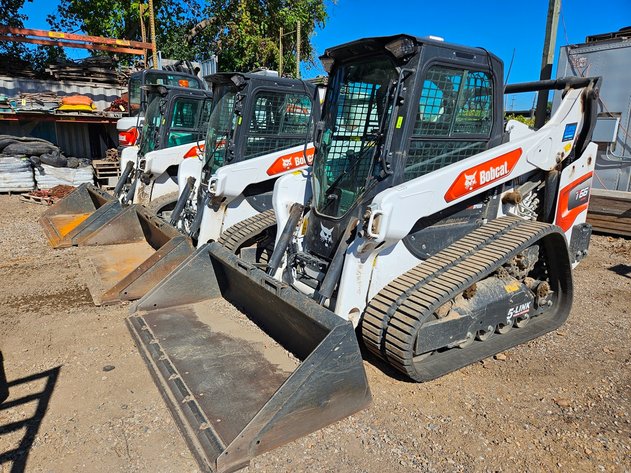
Vehicles and rolling stock: pickups, vans, trailers, forklifts, skid steers
Facilities: shelving, pallet rack, generators, HVAC, building maintenance gear
Office and tech: computers, servers, phones, conference systems
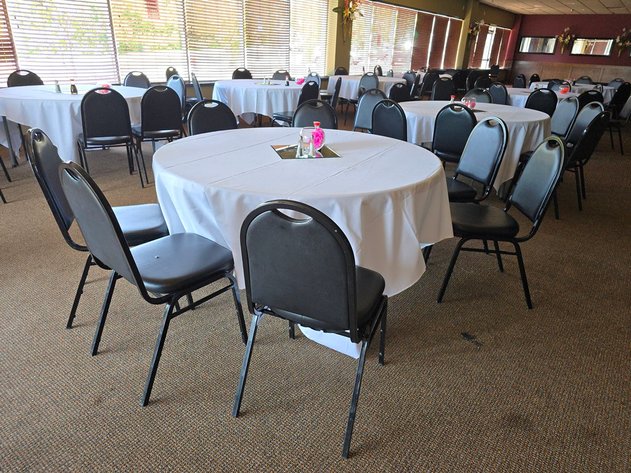
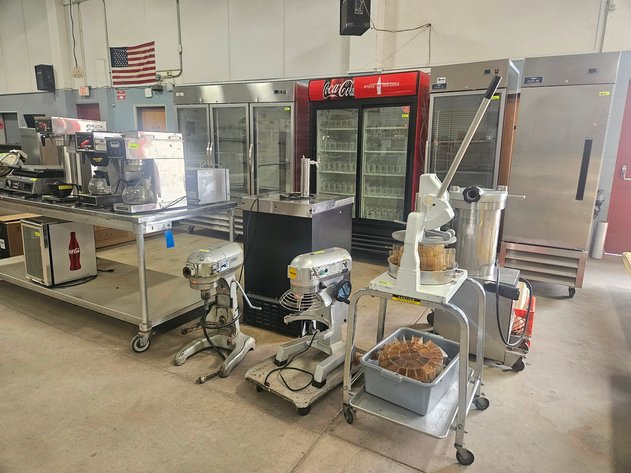
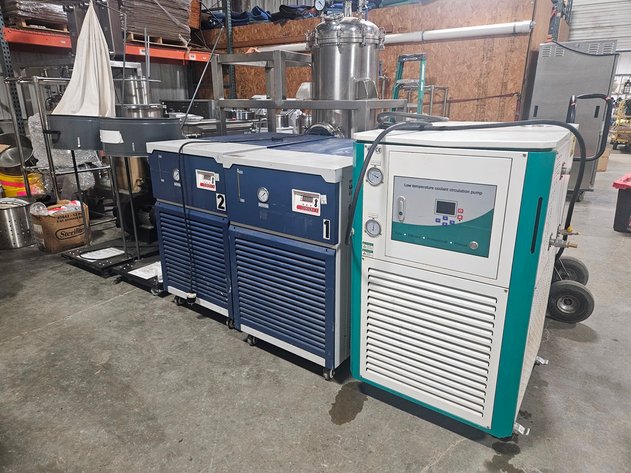
Specialty: food service equipment, fitness gear, retail fixtures, healthcare, and lab
If it’s useful, documented, and presented well, there’s a buyer—often more than one.
Getting Equipment Auction‑Ready
Take inventory: Group related items so buyers can bid by need or set.
Clean and prep: A quick wipe‑down and basic function check builds trust.
Gather documentation: Manuals, maintenance logs, and specs reduce hesitation.
Identify accessories: Cables, tooling, guards, and stands add value.
Plan access: Confirm loading, dock hours, and any required equipment on site.
Set expectations: Use reserves selectively and rely on competition to do the rest.
Timelines You Can Plan Around
Most events go live within a few days of intake and run 7–14 days. That window builds visibility and competitive bidding without dragging out the process. After close, payments are processed and removals are scheduled in defined pickup windows, keeping your floor clear and your schedule intact.
What Businesses Gain
Speed: A calendar you can mark and a close you can count on.
Market value: Bidders, not guesswork, decide the price.
Reach: Statewide roots with national buyer participation.
Less lift: Cataloging, marketing, support, and buyer coordination handled for you.
Stories Behind the Results
From manufacturers clearing a production line in Lakeville to contractors moving surplus in St. Cloud, Minnesota, companies use online auctions to make room for new work. Single items sell. Entire rooms sell. The constant: clear information, clean presentation, and a buyer network that shows up.
How the Handoff Works
Listing: Lots are created with photos, specs, and honest condition notes.
Auction: Bidders register, watch, and compete within transparent terms.
Close: Winners receive invoices and instructions; payments are verified.
Pickup: Buyers arrive during coordinated windows; assets are removed safely and efficiently.
When to Start
Before a remodel or upgrade, clear the path.
After a contract wraps, and equipment sits.
During a location change, to reduce what has to be moved.
Ahead of year-end, to clean up the balance sheet and floor.
Your Next Steps
Walk your floor, make a list, and snap clear photos. Note brands, models, and any accessories. Then bring the list to Auction Masters. You’ll get guidance on reserves, timelines, and how to package lots so they attract the right buyers and close cleanly.
Ready to Turn Space Into Capital?
If equipment isn’t earning its keep, it’s time to set it free. Auction Masters will catalog your assets, market them to serious buyers, manage the auction, and coordinate removal—so you gain cash, reclaim space, and keep operations moving without missing a beat.
Upcoming Auctions
- Oct 8 @ 2:00pm CDT
- Oct 19 @ 1:00pm CDT
- Oct 13 @ 10:00am CDT
- Oct 20 @ 10:00am CDT
- Oct 7 @ 10:00am CDT
- Oct 20 @ 1:00pm CDT
- Oct 9 @ 8:00am CDT
- Oct 20 @ 1:00pm CDT

- Oct 6 @ 12:00pm CDT
- Oct 20 @ 1:00pm CDT
- Sep 25 @ 11:00am CDT
- Oct 21 @ 1:00pm CDT
- Oct 16 @ 6:00pm CDT
- Oct 26 @ 1:00pm CDT