
Liquidating Woodworking Assets Without Losing Money
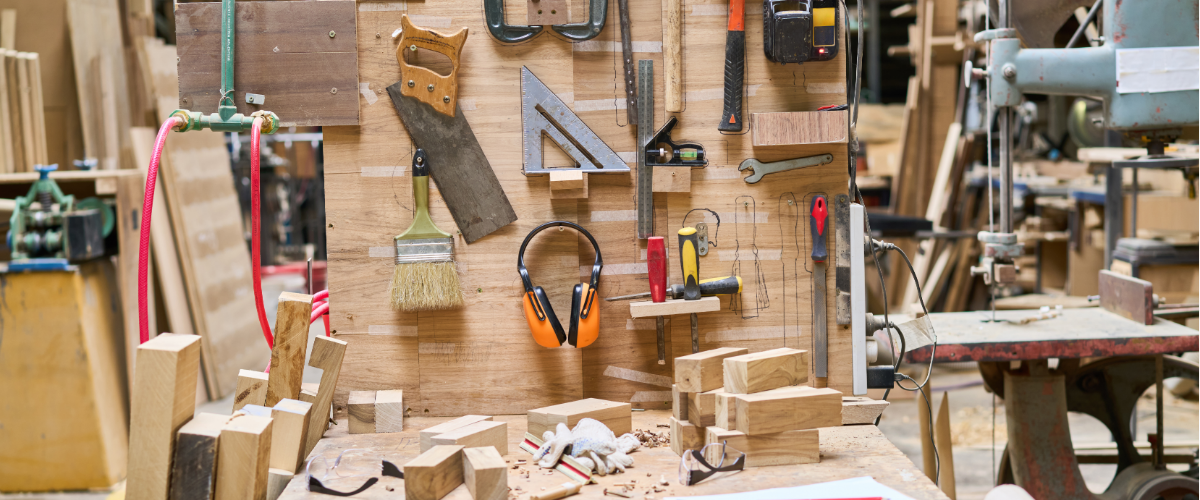
Liquidating woodworking assets without losing money depends on timing the sale correctly, avoiding single-buyer negotiations, and using competitive auction environments to drive market-based pricing.
Most shop owners think liquidation means one thing:
taking a loss and moving on.
That assumption is where the real damage happens.
In reality, the biggest losses don’t come from liquidation itself; they come from how the liquidation is handled. The equipment sits too long. Pricing is guessed. Buyers negotiate down. And what should have been recovered capital turns into a discounted exit.
Structured selling environments like those managed by Auction Masters change that outcome by replacing slow, one-on-one negotiations with competitive bidding and defined timelines.
If you approach liquidation strategically, it becomes a way to recover value, not lose it.
Why Most Liquidations Lose Money
The problem isn’t demand.
It’s decision-making under pressure.
Common mistakes:
- Waiting until the equipment becomes outdated
- Accepting the first reasonable offer
- Listing items individually without a strategy
- Undervaluing assets just to “get it done.”
What this leads to:
- Lower buyer interest
- Longer selling timelines
- Reduced final sale value
Liquidation feels urgent, but reacting too quickly without structure is what causes losses.
What “Smart Liquidation” Actually Looks Like
Liquidation shouldn’t mean clearance pricing.
It should mean controlled asset recovery.
That requires three things:
1. Market Exposure
You need multiple buyers, not just one.
Strong demand exists for:
- CNC routers
- Cabinet saws
- Edge banders
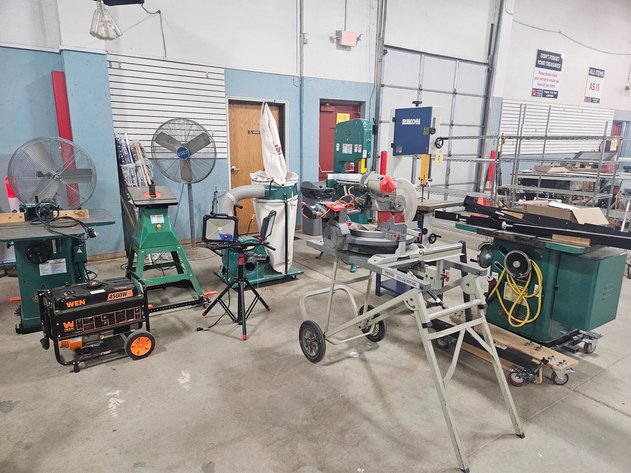
- Dust collection systems
In active trade regions like Minneapolis and Saint Paul, a dense network of cabinet makers, contractors, and woodworking businesses creates consistent demand for used equipment.
2. Competitive Pricing Environment
Fixed pricing limits your upside.
Competitive bidding:
- Creates urgency
- Increases buyer participation
- Pushes prices toward true market value
Instead of negotiating downward, buyers compete upward.
3. Structured Timing
Open-ended sales drag out the process.
Defined timelines:
- Force buyer action
- Prevent prolonged negotiations
- Reduce holding costs
Speed doesn’t reduce value; unstructured selling does.
Why Traditional Liquidation Methods Fall Short
Most liquidation attempts rely on:
- Classified listings
- Dealer buyouts
- Direct outreach
These methods create two major issues:
1. Limited buyer pool
You’re only reaching a fraction of potential demand.
2. Price suppression
Buyers know you’re trying to sell quickly and negotiate accordingly.
That’s why many sellers feel like they “had to take a hit.”
How Auctions Help You Recover Maximum Value
Auctions change the entire equation.
Instead of:
- One buyer controlling the price
You get:
- Multiple buyers are competing at the same time
This leads to:
- Faster sales
- Stronger pricing
- Less negotiation
You’re no longer chasing offers.
You’re creating demand.
How to Prepare Assets for a Profitable Liquidation
Execution matters. Small details impact outcomes.
1. Clean and Organize Equipment
Presentation influences perception and perceived value.
2. Document Key Details
Include:
- Brand and model
- Specifications
- Condition notes
Clear information builds buyer confidence.
3. Group Assets Strategically
High-value machinery → sell individually
Smaller tools/materials → bundle
This improves buyer engagement.
4. Use High-Quality Photos
Visual clarity:
- Reduces hesitation
- Attracts serious bidders
- Improves competition
When to Liquidate (Timing Matters More Than You Think)
The best time to liquidate isn’t when you’re forced to.
It’s when:
- Equipment is still in strong working condition
- Demand is active
- You’re planning upgrades or transitions
Waiting too long leads to:
- Depreciation
- Lower demand
- Reduced buyer confidence
Turning Liquidation Into a Strategic Move
Liquidation isn’t just about exiting assets.
It’s about:
- Recovering capital
- Improving cash flow
- Reinvesting in better opportunities
That capital can go toward:
- New machinery
- Shop expansion
- Increased production capacity
Idle assets don’t generate returns.
Reallocated capital does.
A Smarter Approach to Selling
If you want a deeper understanding of how to structure sales, choose platforms, and price equipment effectively, this guide covers the full strategy:
Selling Cabinet Makers' Tools and Machinery Online: A Complete Guide
It breaks down the complete process from listing to final sale so you can approach liquidation with clarity and control.
Final Takeaway
Liquidating woodworking assets doesn’t have to mean accepting losses.
When you create the right conditions, market exposure, competitive bidding, and structured timelines, you shift from reactive selling to controlled value recovery.
That’s exactly what structured auction environments like those managed by Auction Masters are designed to do.
The difference isn’t whether you liquidate.
It’s whether you do it strategically or leave money on the table.
Upcoming Auctions
- Sep 1 @ 1:00pm CDT
- Sep 21 @ 1:00pm CDT
- Sep 16 @ 11:00am CDT
- Sep 22 @ 10:00am CDT

- Sep 15 @ 1:00pm CDT
- Sep 22 @ 1:00pm CDT

- Sep 15 @ 1:00pm CDT
- Sep 22 @ 6:30pm CDT
- Sep 16 @ 7:00pm CDT
- Sep 27 @ 3:00pm CDT
- Sep 18 @ 6:00pm CDT
- Sep 28 @ 1:00pm CDT

- Sep 18 @ 10:00am CDT
- Oct 5 @ 1:00pm CDT